
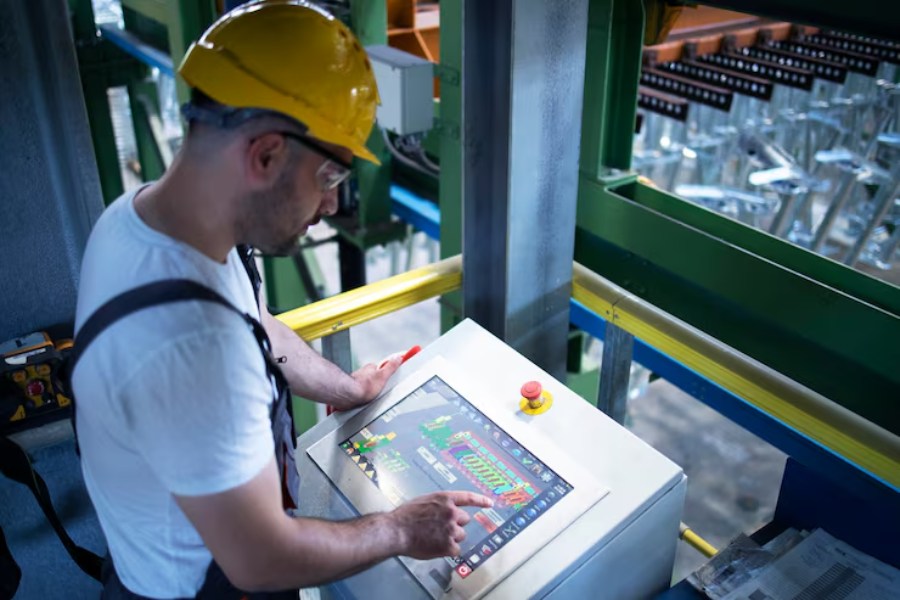
Factories once measured efficiency mainly through speed and volume. Machines ran on fixed schedules, operators reacted to problems as they appeared, and managers relied on daily reports that already felt old by the time they arrived. Automation has changed that picture into something far more dynamic and responsive.
Modern industrial environments combine sensors, robotics, software, and people into interconnected systems. Decisions happen closer to the line, bottlenecks appear in real time, and production teams can fine-tune processes with a level of precision that would have felt impossible a few decades ago.
Industrial automation now touches everything from raw material receipt to final packaging. Understanding how these shifts work helps leaders invest in tools and skills that deliver real gains instead of isolated gadgets.
Understanding The New Face Of Industrial Automation
Older automation projects mainly replaced single manual tasks with dedicated machines. A conveyor moved boxes, a robot welded the same seam every shift, or a PLC controlled a simple sequence. These upgrades increased throughput, yet they often operated in isolation.
Current systems connect those islands into coordinated networks. Machines share data with planning software, quality systems, and maintenance teams. Production schedules adjust to demand changes, safety limits, and equipment status. Instead of one-way control, plants now run on feedback loops that tighten the link between plan and reality.
This new style of automation supports shorter product cycles and a higher variety. A line that once produced one variant all week can switch between orders quickly with recipe management, automatic tooling changes, and programmable motion. The result is a factory that adapts without long pauses for reconfiguration.
IoT-Enabled Visibility And Connected Production Lines
Sensors sit at the core of connected production. Devices track temperature, pressure, vibration, cycle counts, and many other signals. Data flows from machines into gateways, then into plant systems or cloud platforms that turn raw numbers into insights. Companies that study the benefits and applications of IoT gain a clearer picture of how materials, equipment, and people move through their plants. That view exposes hidden delays, frequent micro-stops, and subtle quality drifts before they grow into major problems. Dashboards and alerts then guide supervisors toward targeted interventions instead of broad guesses.
Connected lines also support better coordination between upstream and downstream processes. A filling machine can slow slightly when a labeler struggles, preventing jams. A packaging cell can request new pallets or materials automatically when stock runs low. These small synchronizations reduce unplanned downtime and smooth overall flow.
Robotics, Cobots, And Flexible Automation Cells
Robots once lived behind fences, handling heavy loads or hazardous tasks away from people. Programming required specialist knowledge, and changeovers felt slow. New generations of collaborative robots, lighter robotic arms, and intuitive interfaces have opened automation to a broader set of tasks.
Cobots work beside humans on packing, machine tending, and light assembly. Safety features, such as force limits and advanced sensing, allow close contact when configured correctly. Operators can often teach new movements through hand guiding and simple software, which shortens deployment time.
Flexible cells combine robots, vision systems, and modular fixtures. A cell that packs one product this week can pack a different configuration the next with minimal hardware changes and new programs. This flexibility matters for manufacturers who face small batches, frequent design updates, or customized orders.
Data-Driven Maintenance And Asset Reliability
Maintenance used to rely heavily on fixed schedules and operator intuition. Teams changed parts after a set number of hours or waited for breakdowns. Both approaches carried costs in either wasted component life or unexpected downtime.
Automation and connectivity now support predictive and condition-based maintenance. Sensors track vibration, temperature, lubricant quality, and current draw. Analytics compare these signals against normal ranges and past failure patterns. When a motor starts to drift from expected behavior, the system flags it for inspection before it fails on a critical shift.
Maintenance teams can then plan interventions during natural lulls or scheduled stops. Spare parts arrive in advance, tools sit ready, and technicians know which component needs attention. Plants avoid emergency repairs, rush shipping fees, and disrupted orders. Reliability increases while maintenance hours focus on work that truly matters.
Human Roles, Skills, And Safety In Automated Plants
Automation changes work but does not remove the need for people. Operators, technicians, engineers, and supervisors still provide judgment, creativity, and adaptation that machines cannot match. Their roles shift from repetitive manual tasks toward oversight, problem-solving, and continuous improvement.
Operators watch dashboards, respond to alerts, and adjust settings to keep processes within tight limits. Technicians handle sensor calibration, network issues, and software updates alongside mechanical repairs. Engineers design workflows that integrate both machines and people in safe, efficient ways.
Safety gains strength from this approach. Robots and conveyors take on heavy lifting, repetitive motions, and exposure to hazardous environments. Sensors monitor area access, emergency stops, and interlocks. Training helps staff understand new risks, such as stored energy in automated cells or cybersecurity threats that might affect safety systems. A well-designed automated plant protects both productivity and worker wellbeing.
Building A Scalable Strategy For Automated Growth
Industrial automation works best when guided by a clear strategy rather than isolated projects. Leaders need a roadmap that links investments to business goals such as shorter lead times, higher quality, or increased flexibility. That roadmap helps avoid a patchwork of incompatible systems and neglected data.
A practical path often begins with pilot projects in high-impact areas. A single connected line, a robotic tending cell, or a predictive maintenance program can prove value and teach lessons. Teams refine standards for data collection, equipment selection, and change management before scaling across the plant.
Governance matters as automation spreads. Clear ownership for systems, data, and security avoids confusion. Cross-functional groups that include production, maintenance, quality, IT, and safety review results and prioritize next steps. With this structure in place, each new project strengthens the whole rather than standing alone.
Industrial automation is reshaping production efficiency by turning factories into responsive, connected environments. Sensors and IoT platforms provide visibility, robotics deliver flexible muscle, data-driven maintenance protects uptime, and skilled people coordinate everything.
When companies treat automation as a strategic capability rather than a collection of machines, they gain more than speed. They build operations that adapt to new products, shifting demand, and tighter customer expectations with confidence and control.